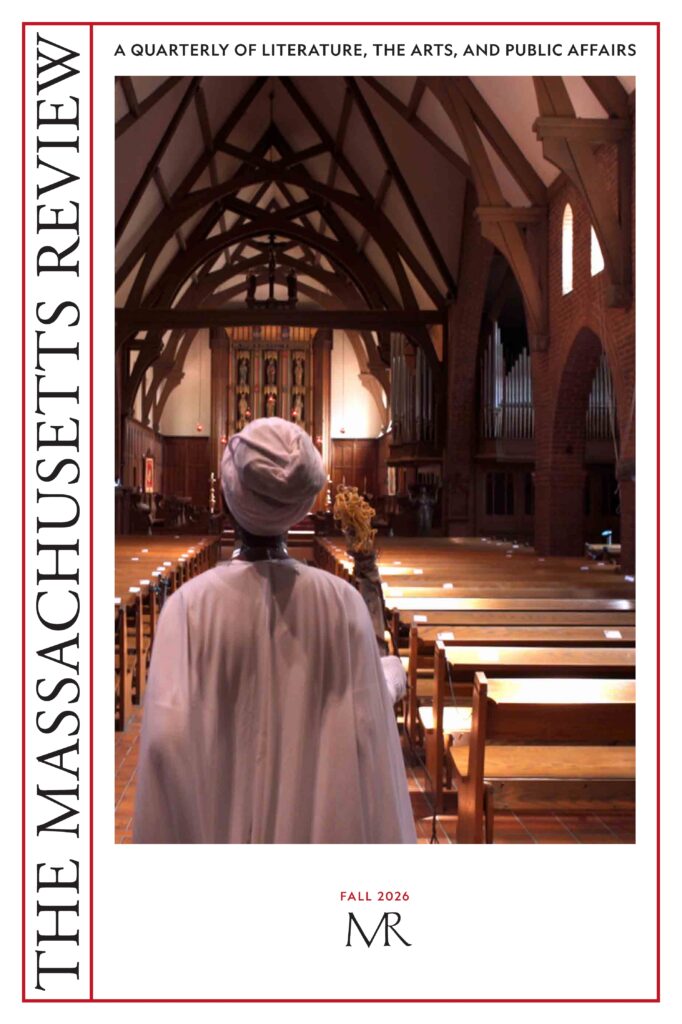

Interview with Tyler Patton
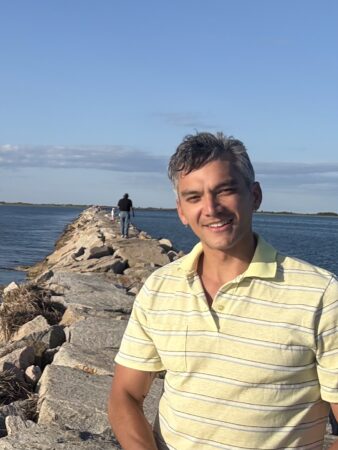
Tell us about your relationship to writing.
I started keeping a journal in my early twenties as a way of organizing my thoughts. Before that I didn’t write much and I never considered myself a very literary person. When I was 27, I took a poetry workshop at City College of San Francisco almost on a whim and I’ve been writing more earnestly ever since. But it all started with journaling, and I consider my journal to be the primary output of my writing life. This might be why I’m so drawn to reading diaries and working with them in my poetry.
What’s your favorite thing about “Poem Penetrated by Derek Jarman”?
The form. I am often thinking about ways to collaborate with poets and writers that I admire. With this poem, I found a way to have an addressee—Derek Jarman—literally penetrate my own words. This was an exciting discovery because it felt like a natural, albeit blunt-force way to collaborate with him.
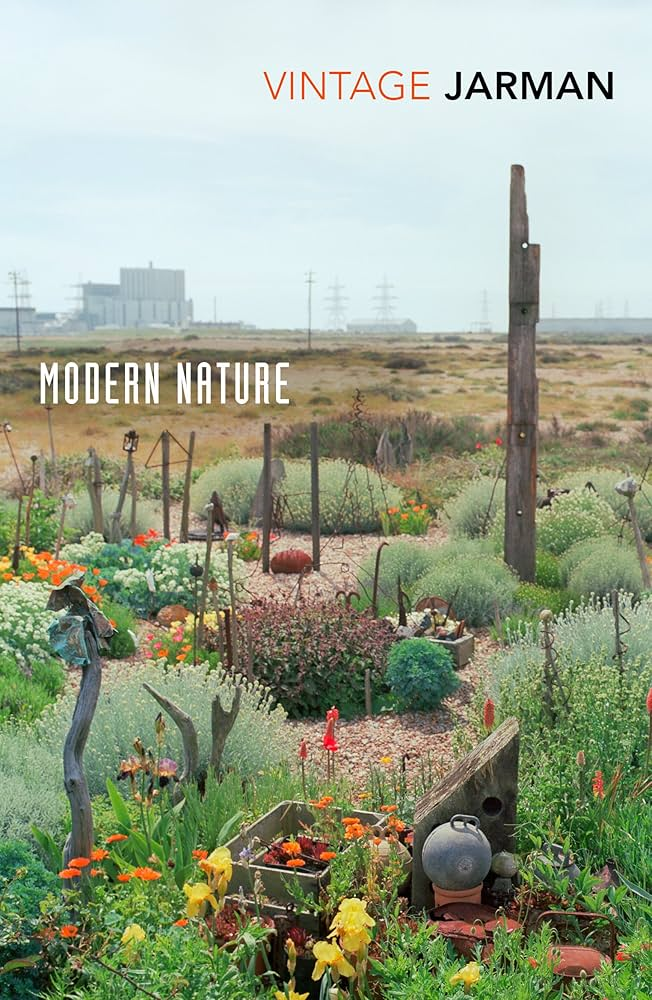
Tell us about your relationship to Modern Nature, Diane Seuss, and Derek Jarman. Who else has been crucial to your literary life?
When I moved to San Francisco, a place that in many ways was the epicenter of the AIDS epidemic in the US, I often felt that the city was haunted by the ghosts of the thousands of people, primarily gay men, who died as a result of the disease and the neglect of the federal government. I felt that what I had been taught about AIDS in school and through mainstream media was inadequate to explain this haunting feeling. I had many older gay friends who could tell me about their experiences of the 80s and 90s, but I still perceived an immense hole left behind by all those who died. Eventually I found Modern Nature and reading it changed my life. It’s hard to describe, but it felt like Jarman was addressing the diary to a queer descendant like me. After that I found several other diaries written by men who died of AIDS, most notably Gary Fisher and Lou Sullivan. In my view, the diaries of these three men are required reading for anyone curious about what it was like to live and die with AIDS.
How was the process of drafting and writing this piece? Is it accomplishing what you had in mind when you began?
I went through a phase of writing epistolary poems to men that I considered to be my gay ancestors, and this poem came from that time. I had just read Derek Jarman’s diary from 1989-90, Modern Nature, and noticed that he had an entry from the day I was born, which happened to be the third anniversary of his positive HIV diagnosis. It was perhaps a narcissistic impulse, but I obsessively read and reread that diary entry. It felt like a cosmic miracle to know that he had bought a “selection of soups” on the day of my birth. Eventually I wrote a straightforward letter, addressed to Jarman on that day. That was the first draft of this poem. It didn’t feel complete, so I let it sit for a while.
Around this time, I read The Nancy Reagan Collection by Maxe Crandall, and in that book the poet’s words are slanted and rotated in many directions. It gave me the idea to have Jarman’s words slice through my own. I selected one of the many quotes from Modern Nature that I love and put it right in the middle of my my own words. From there I realized that the poem could be contrapuntal and it was off to the races, so to speak. The final version is vastly different from that first epistle. It’s more mysterious to me and Jarman’s voice feels more present and active.
Regarding your poem: I love + am devastated by the confusion between celebration and grief, morbidity and eroticism, and the so-massive (historical, sexual, viral…) web of queerness which likens these things to one another even now, three decades after Modern Nature’s publication. Can you talk a little about these themes and what they mean to you in your art, beyond this piece?
Thank you for your kind words. I’m so glad that all those themes came across for you. I grew up in the 90s, when AIDS was still ravaging the gay community, but I was thankfully too young to experience the so-called plague years firsthand. By the time I became sexually active, HIV was treatable. By my mid-twenties, transmission was largely preventable. But the legacy of the plague years shaped what I was taught about gay sex. An important part of my art is grappling with this legacy and the ways that AIDS intertwined morbidity and eroticism, and how that entanglement has evolved for people my age and younger.
As far as the “web of queerness” goes, I think it can be playful and gossipy to trace the web of connections created through hookups and relationships. (I’m thinking of the first episode of The L Word, when one of the characters makes a chart that visualizes how LA lesbians are connected through shared sexual partners.) But I also think eroticism can be a legitimate way of defining a community, and even an ancestry if you trace the web back through history. It’s also important to remember—and I’m glad you pointed this out—that, for Jarman and the many gay men having sex in the 80s and 90s, this web of sexual connection could have been a kind of viral contact tracing.
What’s been inspiring you recently?
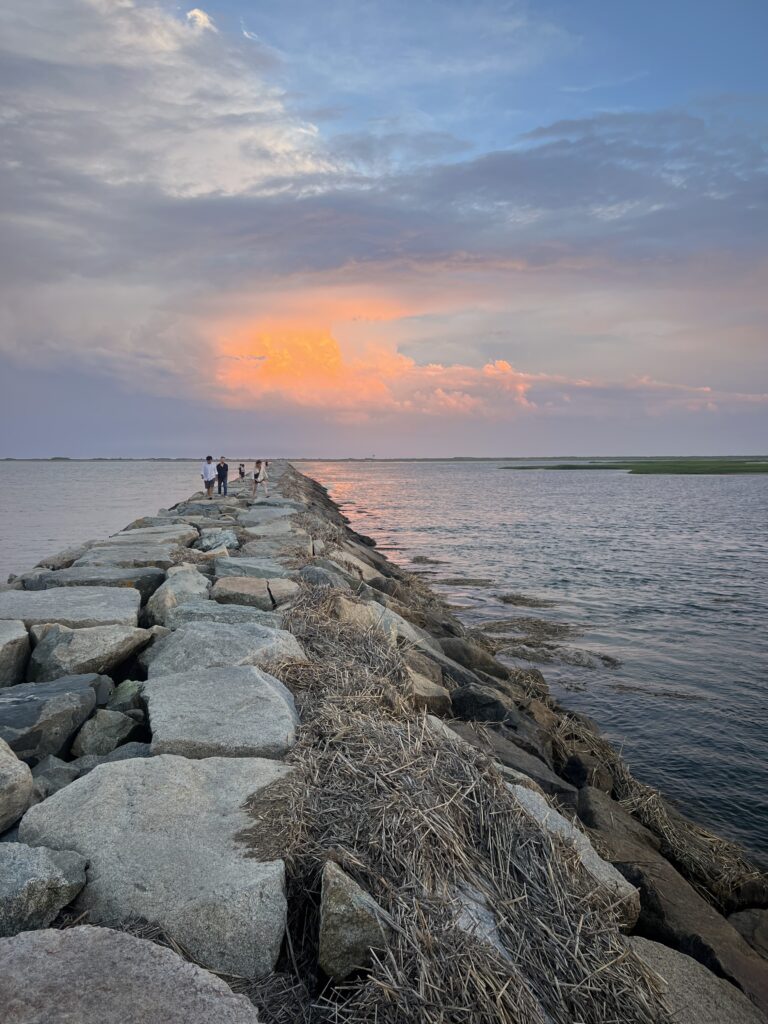
I lead kayak tours in the Provincetown salt marsh. I helped design these tours and at some point, I realized I could use the marsh as a vehicle to talk about ecology, climate change, and queer history. These also happen to be themes that I address in my poetry. Recently, I’ve been exploring how the marsh can inspire a particular poetics. I’ve also been inspired to write poetry in my tour guide voice, which is more playful and casual than my typical poetic voice.
What are you reading + working on right now?
I recently read Deeds of Utmost Kindness by Forest Gander, which has turned out to be quite helpful for a poetry project about the Provincetown salt marsh. I’m also re-reading The Right to Sex by Amia Srinivasan. The titular essay originally came out in 2018 and it’s wild to think about how much has changed in the culture since then. I finished the first two volumes of On the Calculation of Volume and I’m excited to read the rest. I’m also working on a novel that deals with some of the same themes that I address in my poetry.
Tyler Patton is a fiction writer and poet from Portland, Oregon. He has received support from the Voices of Our Nation Arts Foundation fellowship and the Fine Arts Work Center. He was the 2024 recipient of the queer writer fellowship from the Martha’s Vineyard Institute of Creative Writing. He is the former fiction editor of Indiana Review and received his MFA at Indiana University. His work can be found in The Baltimore Review and &Change.