
The AfroNordic Shoal
A Review of Earthscape: A Southnord Collections Exhibition
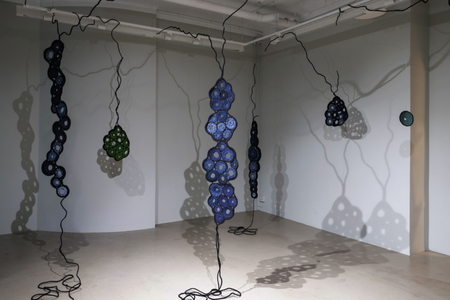
Figure 1: Viola Nimuhamya, One at a Time (2025).
Sculptural installation made of discarded fabrics.
Courtesy of Southnord.
“Who holds the power to make real change?”1
This question lies at the heart of Earthscape, an exhibition curated by Marcia Harvey Isaksson. Originally from Zimbabwe and now based in Sweden, Harvey Isaksson is an independent curator, artist, and exhibition architect. She is also the founder of the artist-run platform Southnord, which is based in Stockholm and dedicated to expanding narratives of the AfroNordic experience. Displayed from February 4, 2026, through May 29, 2026, Earthscape situates itself as a living inquiry into the entanglements of landscape, memory and diasporic identity by bringing together the works of eight AfroNordic artists: Dyami Rafn Andrews, Theresa Traore Dahlberg, Michelle Eistrup, Sasha Huber, Marcia Harvey Isaksson, Liisa-Irmelen Liwata, Alexandra Mitiku, and Viola Nimuhamya.
AfroNordic identity is the lived, creative, and relational experience of people of African descent in the Nordic region, shaped by histories of migration, colonialism, anti-blackness, and dynamic engagement with local cultures, land, and indigenous presences. The diverse ways in which the artists in this exhibition negotiate their identities demonstrate the multiplicity of AfroNordic identification. Earthscape, as Harvey Isaksson describes, is an intentional weaving of the geological, the emotional, and the spiritual, foregrounding the ways geopolitics and ecological crisis reverberate through individual and collective Black experience. Earthscape becomes, in her words, a “personal mapping” through diverse practices that ask us to reconsider our planetary responsibilities and the ways power, extraction, and belonging are distributed and resisted.2
In The Black Shoals: Offshore Formations of Black and Native Studies (2019), Tiffany Lethabo King theorizes the shoal as a liminal, dynamic zone, neither fully land nor fully sea, where binaries are troubled and new relational possibilities surface. The shoal, for King, is a site of friction, contact, and necessary adjustment: a generative in-between space where histories and bodies meet, collide, and transform.3 Earthscape is also interested in creating this kind of space, where histories, memories, and landscapes are constantly in motion, where boundaries blur, and new connections emerge with each encounter.
Earthscape can thus be understood as a curated shoal: a shifting zone of contact and friction between AfroNordic artists, materials, and histories. Across the exhibition, works engage with themes of extraction, memory, and the entanglement of body and terrain, approaching landscape not simply as a physical site but as a space of inheritance, precarity, and belonging. The material hybridity of the works, expressed through the use of materials like copper, clay, indigo, recycled fabric, and petroleum mesh, literalizes the instability and blending of the shoal, challenging viewers to recalibrate their understandings of blackness, Nordicness, and the land itself.
These entanglements of material, landscape, and colonial history come into focus in curator Harvey Isaksson’s She Had Two, So She Gave Him One (2024). The work consists of two wooden frames layered with copper thread and petroleum-based mesh, materials that reference “natural resources that drove the colonial powers to rape the land then and that continue to drive imperial capitalism to do the same today.”4 Harvey Isaksson’s work depicts Mount Kenya and Mount Kilimanjaro and their separation by a man-made border, mapping colonial histories and exploitation. Its visual composition further reinforces these themes: Unlike the exhibition’s other works, which are set against white backgrounds, Harvey Isaksson’s piece features a brown background that evokes blood-drenched soil beneath the mountains. This contrast positions nature as both a witness to colonial violence and a site of resilience, holding the memory of exploitation while persisting beyond the borders imposed upon it.
Extending beyond Harvey Isaksson’s work, the exhibition’s curated shoal brings together intersecting histories of extraction, revealing how the exploitation of resources, bodies, and land continues to shape the conditions of belonging and survival. Michelle Eistrup, an artist with a Danish, Jamaican, and American background, explores these histories in Mineral Emissaries, Edelopal Terra Mineralia (2020), incorporating rocks extracted from indigenous homelands in Western Australia into collaged landscapes of vibrant yellow and blue. The rock, whose surface displays iridescent hues of purple, light blue, and yellow, occupies the center of the composition, drawing attention to the material presence of resources displaced through colonial violence. Through interviews with Indigenous peoples and scientists, Eistrup’s artistic process seeks to contextualize the rocks beyond the conditions of their extraction.5 Paired with a soundscape, this work immerses viewers in contested histories of land and the relationships between material objects, indigenous knowledge, and the histories embedded in the landscape. A related critique of resource extraction emerges in Swedish and Burkinabé artist Theresa Traore Dahlberg’s Blue Mountain #1 and #2 (2025), sculptural paintings that incorporate copper circuit boards salvaged from a shuttered Swedish factory. These circuit boards are overlaid with painted mountain forms and numerical markings that reference the double extraction of land and labor. Copper, the connective tissue of digital worlds, here becomes a site of memory and critique, gesturing toward both the technological present and the colonial past.
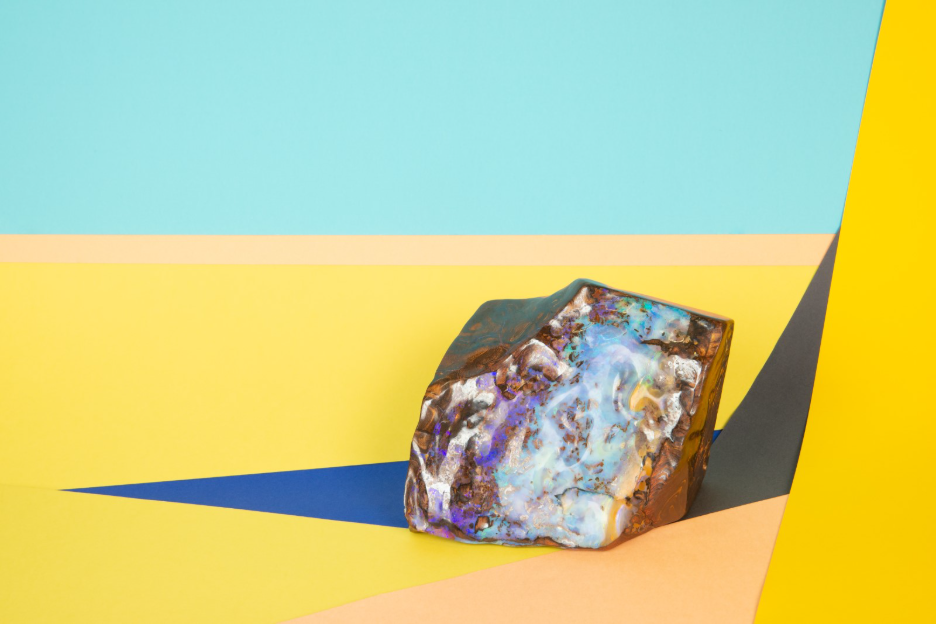
Figure 2: Michelle Eistrup, Mineral Emissaries, Edelopal Terra Mineralia (2020).
Photograph of a rock from Western Australia against a collaged landscape.
Courtesy of Southnord.
Tiffany Lethabo King’s work emphasizes the importance of ceremony and ritual, attending to the “opacity” and “unchartered” territories of Black and indigenous geographies, relations, and survival.6 In Earthscape, this emphasis manifests through the artists’ use of repeated gestures, inherited techniques, and acts of material transformation which function as spatial storytelling and forms of everyday ceremony. The exhibition invites audiences to move beyond surface readings of identity and environment, foregrounding rituals of meditation, healing, and rest as sites of both resistance and repair.
These themes come into focus in one of the exhibition’s most evocative pieces, Viola Nimuhamya’s One at a Time (2025), a sculptural installation composed of woven and crocheted forms made from discarded fabrics gathered in Norway. The sculpture’s form, “stretching and coiling as though in search of light,”7 and its visual similarity to plant life or cells again evokes King’s conception of the shoal as a space of “transition between distinct ecological systems and states, always negotiating new forms of being.”8 Suspended in space, the sculpture invites viewers to move alongside and around it, engaging with its stretching and coiling through their own movement. Nimuhamya’s use of weaving and crocheting techniques inherited from Ugandan matriarchs brings ancestral knowledge into contact with materials embedded in global circuits of consumption and waste. By transforming discarded fabrics into a sculptural form suggestive of growth and regeneration, the work reimagines the material consequences of Western overconsumption. It occupies a literal and conceptual shoal: neither strictly Ugandan nor Norwegian, it becomes a sedimented, dynamic in-between, a gathering place for ancestral knowledge and contemporary survival.
The significance of One at a Time (2025) lies not only in its material transformation but also in the repetitive labor through which it takes shape. Nimuhamya’s weaving and crocheting enact what King describes as “binding together: through gradual accretion, akin to how a shoal forms and grows.” Here, repetition becomes a form of quiet ceremony, a shoaling movement that allows for pause and care amid global precarity. This gradual accumulation offers an alternative to the extractive logics of accelerated production and consumption, demonstrating the potential of inherited craft to sustain diasporic memory and imagine other ways of inhabiting the world. Nimuhamya’s sculpture thus brings together AfroNordic histories to imagine alternative geographies, foregrounding the ways diasporic memory and inherited craft can be mobilized against extraction and erasure.
Questions of hybridity, belonging, and transformation also emerge through the exhibition’s material explorations. Liisa-Irmelen Liwata, a Finnish-Congolese artist, considers these themes in Formation (2022), a ceramic work composed of twenty tiles arranged in a rectangular formation. The tiles’ natural clay colors are preserved and enhanced through successive layers, creating shapes that resemble hands cradling a growing, plant like-object. Through this imagery and the interplay of materials, Liwata explores internalized cultural borders and the potential of materiality to bring seemingly disparate elements into relation. In Mami Wata (2022), Sasha Huber approaches diasporic belonging through water, referencing the water deity of the same name and her own connections to water in Switzerland, Haiti, and Finland. This is a framed piece with deep tones of red and blue. By using staples and metallic elements, Huber brings these geographic and cultural associations into a single visual composition, suggesting how diasporic identities take shape through connections that extend across national borders.
The exhibition also explores the material conditions of survival and the vulnerability of the environments people inhabit. Alexandra Mitiku, an artist of Ethiopian and Korean heritage based in Helsinki, examines the relationships between land, body, spirit, and scarcity in That’s Why They Don’t Pick the Bones (2025). Combining clay, indigo, and ink in a large, painted work, Mitiku depicts one figure eating with both hands while another hand emerges from the bottom of the image bearing food. This imagery centers nourishment as a bodily necessity, connecting the resources provided by the land to questions of sustenance and survival. While Mitiku’s work draws attention to the conditions that sustain life, Dynami Rafn Andrews’s Tremors Above (2025) evokes the forces that threaten it. Andrews, an African American and Icelandic artist, employs an atmospheric landscape of yellow and orange tones to suggest the looming threat of climate change.
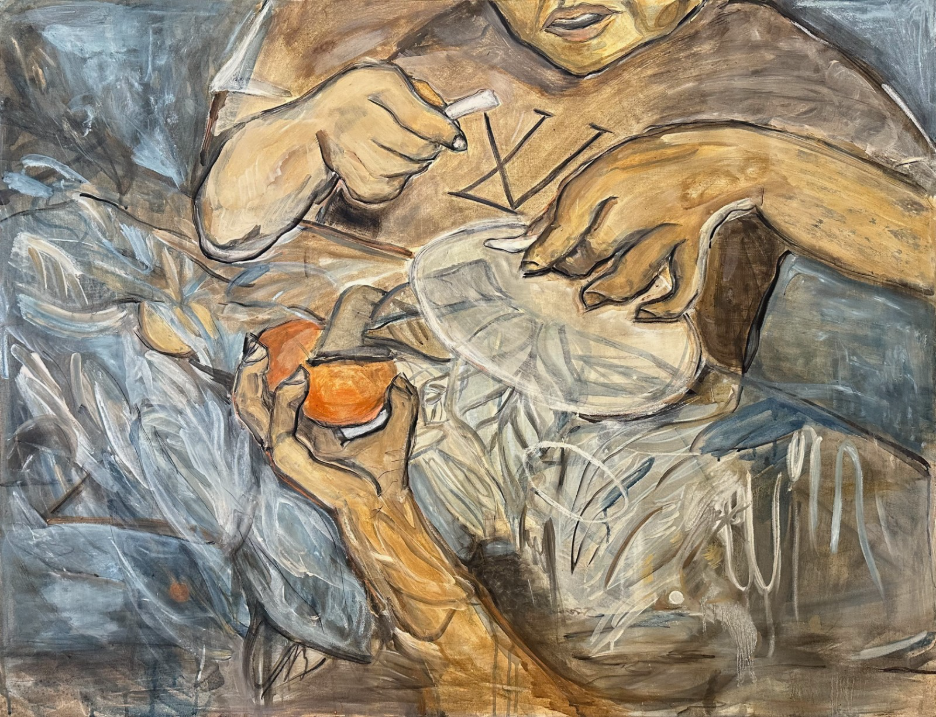
Figure 3: Alexandra Mitiku, That’s Why They Don’t Pick the Bones (2025).
Clay, indigo, ink, and acrylic paint on canvas.
Courtesy of Southnord.
In Earthscape the AfroNordic experience is not rendered as monolithic, but as a constellation formed through contact, friction, and the creative reworking of inherited materials and memories. The exhibition’s power lies in its refusal to resolve these tensions, instead inviting audiences to swell in the shoal: to traverse spaces where identity, history, and landscape remain in motion, always negotiating new forms of being.
Ultimately, Earthscape foregrounds the urgency and complexity of its framing question: “Who holds the power to make real change?”9 Through acts of making, remembering, and reimagining, the artists gathered here not only map the myriad contours of AfroNordic experience, but also gesture toward new topographies of care, kinship, and planetary responsibility.
For more on upcoming exhibitions, installations, and festivals at Southnord, see: https://www.southnord.com/calendar
ARIANA COLLAZO is a Ph.D. student in Scandinavian Studies at the University of Wisconsin-Madison. She received an MA in Afro-American studies, with a graduate certificate in African Diaspora Studies, at the University of Massachusetts Amherst, and a BA in African and Black Diaspora Studies, with a minor in Philosophy, from DePaul University. Her research examines theories of race in Scandinavia, blackness, and AfroNordic identity. Her dissertation draws on ethnographic methods to investigate how Afro-Diasporic communities in Oslo, Norway, understand, identify with and negotiate blackness within social and political contexts.
Notes:
- Suzette Bell-Roberts, “‘Earthscape’: Mapping Land, Memory, and Diasporic Imagination. – Art Africa Magazine,” ART AFRICA Magazine – Contemporary Art from Africa and the Diaspora, Painting, Sculpture, Writing, April 11, 2026, https://artafricamagazine.org/earthspace-mapping-land-memory-and-diasporic-imagination/. [back to text]
- Suzette Bell-Roberts, “‘Earthscape’: Mapping Land, Memory, and Diasporic Imagination. – Art Africa Magazine.” [back to text]
- Tiffany Lethabo-King. The Black Shoals: Offshore Formations of Black and Native Studies. Durham, NC: Duke University Press, 2019. [back to text]
- Suzette Bell-Roberts, “‘Earthscape’: Mapping Land, Memory, and Diasporic Imagination. – Art Africa Magazine.” [back to text]
- Southnord on Instagram, May 27, 2026, https://www.instagram.com/reel/DY2JstuiGk4/?dlrf=MTZ1aHB6Y2pncnNjMg==. [back to text]
- Tiffany Lethabo-King, page 7. [back to text]
- Suzette Bell-Roberts, “‘Earthscape’: Mapping Land, Memory, and Diasporic Imagination. – Art Africa Magazine.” [back to text]
- Tiffany Lethabo-King, page 9. [back to text]
- Suzette Bell-Roberts, “‘Earthscape’: Mapping Land, Memory, and Diasporic Imagination. – Art Africa Magazine.” [back to text]