
Martyrs of Knowledge: Remembering Gaza’s University Professors
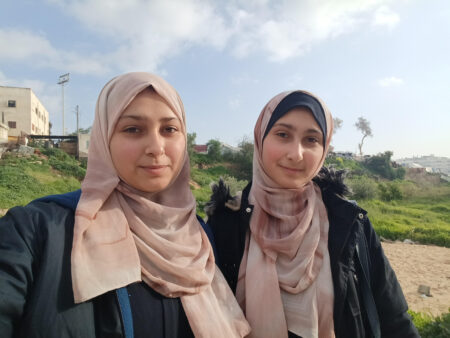
Amna (left) and Alaa (right).
Note: This is the second of two Public Affairs posts by twin sisters in Gaza, Alaa and Amna Dmeida. The first, by Amna Dmeida, Gaza in the New Year: Countdown to Death, Not Celebration, was published on February 13th. Today we bring you Alaa Dmeida’s powerful memories of the professors and mentors who taught a generation of Palestinian students the power of their minds. As the US-Israel genocide continues with unmitigated savagery, Palestinian writers continue to teach the world humanity.
—Shailja Patel, Public Affairs Editor
As I stand in the rubble of my university, looking at the destroyed buildings, I don’t just see stones. I see the classrooms where I spent the most beautiful days of my life. I see my late professors and my friends. I remember the last photo I took on campus before everything vanished.
I am Alaa Dmeida, an English Literature student at the Islamic University of Gaza. I chose this major with so much love, carefully picking my courses and memorizing the names of the professors I dreamed of learning from. But in the aftermath of October 7, 2023, my world was overturned. My dreams of graduation were replaced by the harsh reality of a genocide that has lasted for over two years.
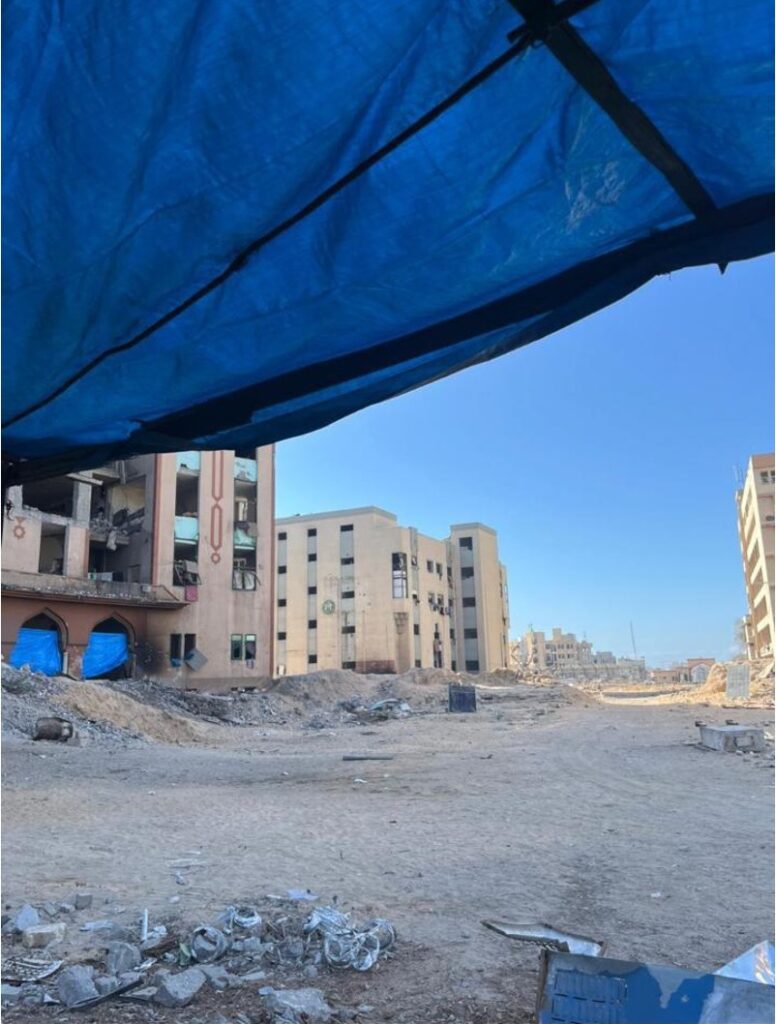
The Islamic University of Gaza after the genocide, taken by Huda Skaik.
In a moment, our lives as students stopped. My routine shifted from attending lectures to carrying heavy gallons of water and cooking over wood fires. Every day became a struggle for survival.
While the occupation claims they have specific targets, we see the reality on the ground. They target everything and everyone. They target children playing in the streets, old men and women in their homes, and even the places that should be sacred—mosques, churches, schools. They target the universities that were supposed to be our future. They target life itself.
Many universities in Gaza, including my own, The Islamic University, were initially considered safe shelters for those driven out of their homes at the beginning of the war. But suddenly, without any prior warning, Israel destroyed my university completely. People who had taken refuge inside fled for their lives, leaving everything behind. In a heartbeat, my beautiful campus—the place that held my dreams—was turned into rubble.
Despite the destruction, the loss, and the terrible internet connection, the Islamic University opened its doors again for online classes after a year of genocide. Our brave professors believe that education is our strongest weapon against the occupation. They feel it is their duty to keep teaching us, and we, as students, refuse to give up on our education. We returned to our studies—not because life is normal, but because our faith in our teachers’ message is deeper than our fear. We believe that our minds are something they can never destroy.
After the truce on October 10, 2025, the university made the difficult decision to reopen for in-person classes, bringing life back to the campus. But the halls feel different. Many professors who inspired us are gone; their names are now written in obituaries. They were not soldiers; they were carriers of light and knowledge.
Dr. Sufian Tayeh, our university president and a brilliant professor of theoretical physics, was among the first we lost. The Israeli Occupation Forces killed him on December 2, 2023. He wasn’t just a scientist; he was a leader who believed in us. Seeing the university open without him, and without so many others, reminds us that the occupation didn’t just target buildings—they targeted the minds that build the future.
Dr. Refaat Alareer is a name I can never forget. As an English Literature student, his voice was our bridge to the world. In his last interview, he described himself simply as an academic, asking: “What are we supposed to do? Drown? Commit mass suicide?” He answered with strength—we will not. Though I never met him face to face, his presence is everywhere. He left us a will: “If I must die, you must live, to tell my story.” He was assassinated on December 6, 2023, but his story didn’t end, we are the ones living now to tell it.
Dr. Marwan Alsultan holds a very special place in my heart. He wasn’t just a professor; he treated me with the care and kindness as one of his own daughters. I will never forget when he visited our home to congratulate my twin sister Amna and me on our Tawjihi results. I remember him sitting in our living room, bringing us gifts and a sense of joy. I was so nervous about my future, but he was incredibly calm, smiling and helping me feel so happy. He was the one who encouraged me to choose my major, telling me: “We don’t look for titles; we look for purposes.”
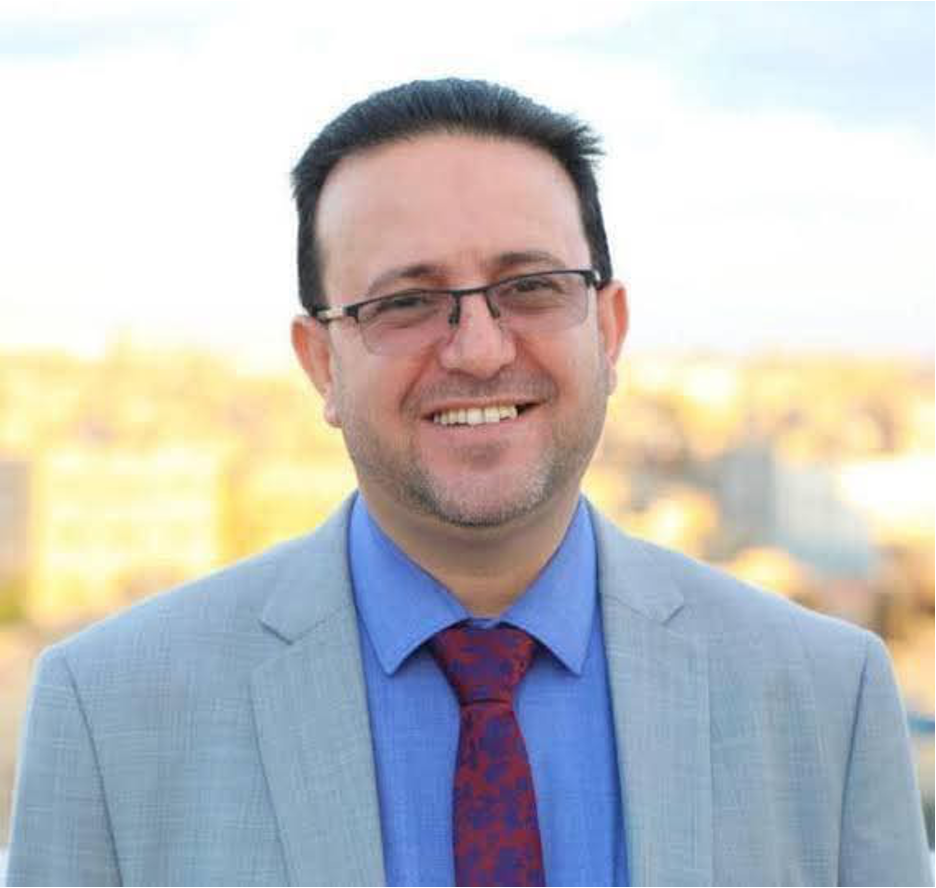
Dr. Marwan Al-Sultan, Director of the Indonesian Hospital. Courtesy of his family.
His kindness and care were a reflection of his deeper values. For Dr. Alsultan, nurturing his students and supporting them in their choices was inseparable from his belief in serving his community and his homeland. Every word he spoke and every encouragement he gave came from a heart devoted not only to knowledge but also to building a better future for Gaza and its people.
Dr Alsultan who deeply loved Gaza. He once told me that while he was abroad, he was offered golden opportunities at prestigious universities like Cambridge and Oxford. But he said ‘No’ to the world and ‘Yes’ to Gaza, choosing to return and build our future instead
By choosing Gaza, he chose to stand with his people in every struggle and every hope. His life became a testament to love, sacrifice, and unwavering dedication. He chose to devote his rare skills to his people. As a board-certified cardiologist, every patient he treated, every life he saved, was a contribution to the health and future of his homeland. His work was more than medicine—it was love in action, a service to his community, and a commitment to building Gaza from the heart.
During the war, as the Director of the Indonesian Hospital, he worked tirelessly, saving lives and serving the injured without a moment of rest. He was a healer and a teacher at the same time. In July 2025, Israel assassinated him, along with most of his family. They took his life, but they could never take away the confidence and the ‘purpose’ he planted in my soul. Today, I study to honor him and make him proud.
Dr. Adnan Al-Bursh is a name that represents the ultimate sacrifice. He was a professor at the Faculty of Medicine at the Islamic University and a world-class surgeon. He wasn’t just a doctor; he was a symbol of resilience. While the world watched the siege of Al-Shifa Hospital and later Al-Awda Hospital, Dr. Adnan refused to leave his patients. He chose to stay under the bombs, performing surgeries and saving lives when everything around him was collapsing.
In December 2023, he was kidnapped by the occupation forces while performing his duty. After months of hope, in May 2024, we received the heartbreaking news of his martyrdom in prison due to torture. Dr. Adnan didn’t just teach his students medicine; he taught us what it means to stay true to your people, even if it costs you your life.
The list of martyred scholars is painfully long. Each was a pillar of knowledge, leaving a void that can never be filled. I carry all their stories in my heart.
In Gaza, when a professor is martyred, it is not just a person we lose, but decades of research, wisdom, and hope. Now, as their students, we realize that their martyrdom was not the end of the journey, but the beginning of it. We are no longer just students; we have become the guardians of their dreams and the voices that must carry their legacy to the world.
The advice of our professors continues to shape our lives, transforming grief into resilience. They were the guardians of knowledge and pillars of Palestinian awareness. Many were directly targeted, leaving classrooms empty but our minds full of their impact. They lived for a message and died for a cause, leaving a light that no war can ever extinguish.
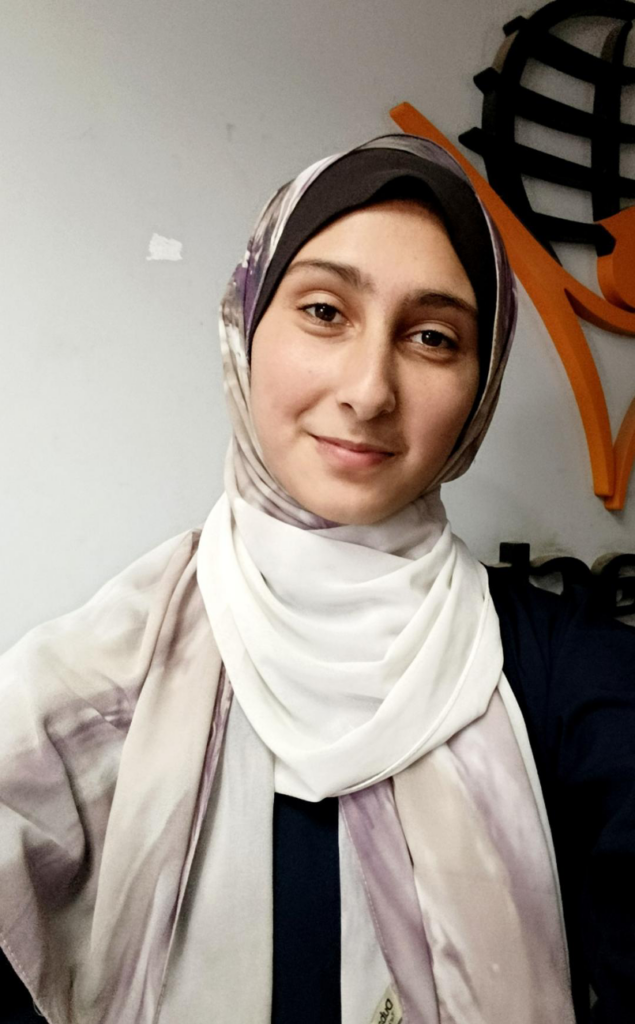
ALAA DMEIDA is a twenty-year-old English Literature student at the Islamic University of Gaza, and a writer who discovered her passion for writing and telling the stories of the oppressed in Gaza.