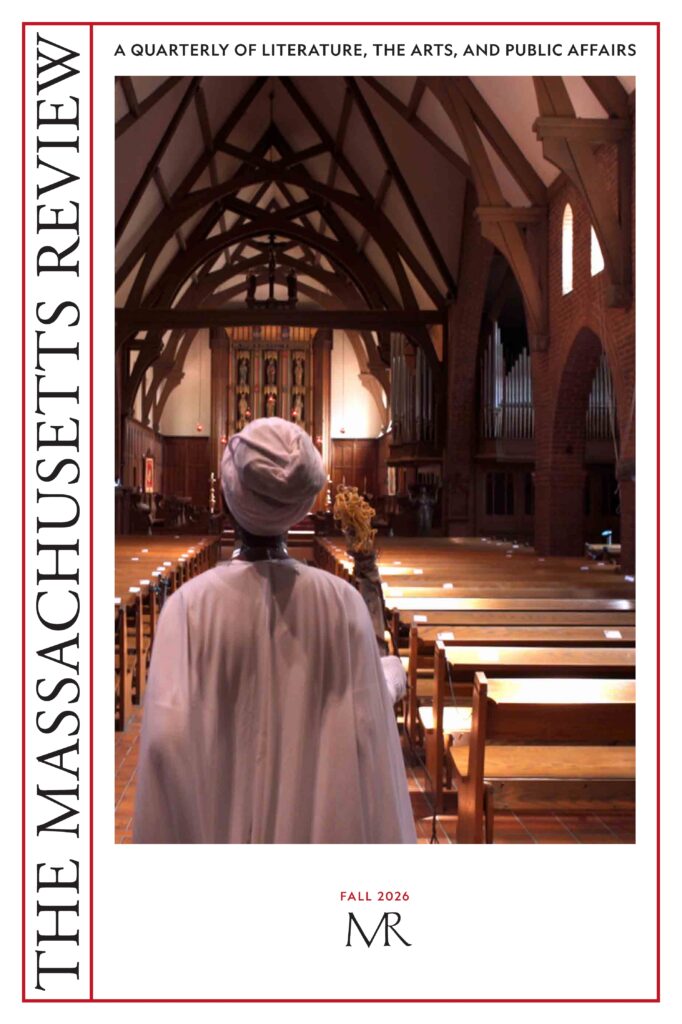

Interview with Jodi M. Savage
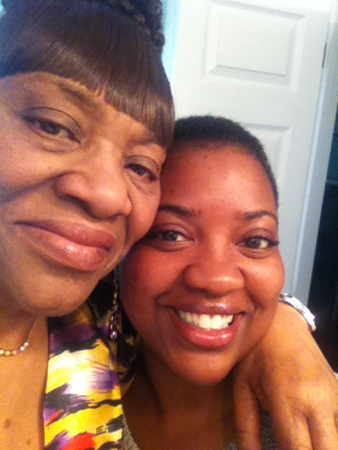
Jodi M. Savage (right) and her godmother Sister Christine (left).
Tell us about your relationship to writing.
I started out writing poetry and short stories. In college, I felt I needed to do something “practical,” so I became an attorney. But I still longed to be a writer. In my late twenties, I began blogging about my caregiving journey after my grandmother developed Alzheimer’s disease. In my late thirties, after she’d passed away, I started publishing essays about grief, Alzheimer’s, and caregiving. Although I was an attorney, I was finally ready to call myself a “writer” out loud. My book, The Death of a Jaybird: Essays on Mothers and Daughters and the Things They Leave Behind, was published by Harper Perennial in 2023. Incarceration was a major influence in The Death of a Jaybird, because my mother’s incarceration and drug addiction strained our relationship and pulled back the curtain on other intergenerational fractures between the women in my family. Writing about my mother’s incarceration required me to be honest—about my shame, my resentment, and being that little girl who never stopped wanting her mother. I’m carrying that honesty and vulnerability with me as I write Book #2.
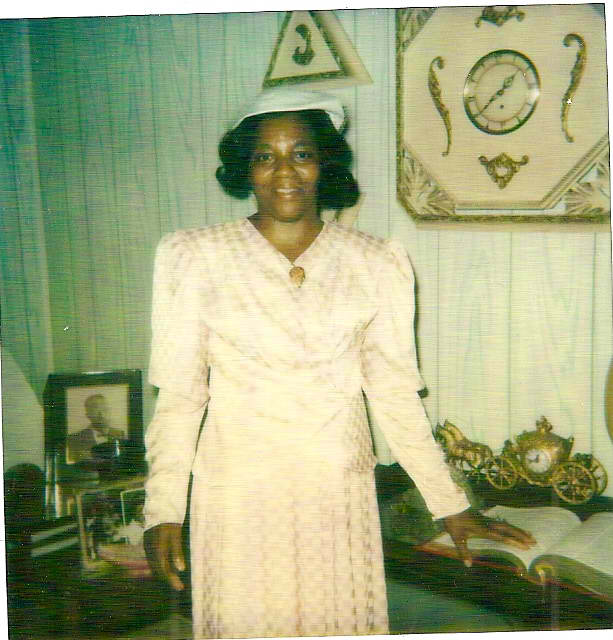
Savage’s grandma, Annie Lee.
What was the first thing you wrote that you were proud of?
I wrote a poem titled “Confidence” in the sixth grade. That’s when I decided I wanted to be a poet. I ended up becoming an essayist, but my work often contains lyrical elements and I love experimenting with form.
Were you writing “Traveling Mercies” with an ideal audience in mind?
I didn’t have an ideal audience in mind when writing it, but I was very aware of who would be reading it. I wrote the first two drafts of this essay in the Spring of 2024 as workshop submissions at NYU, where I was an MFA student. I returned to the essay a year later and made substantial edits and narrowed its focus. Taking time away from the essay allowed me to look at it with fresh eyes and to ask what this essay wanted to be, what I felt, and what I needed to say.
How did the concept of this essay come to you, originally? What’s changed across drafts?
My grandmother used to say a prayer for traveling mercies whenever we left home or traveled out of state. In church, the preacher also prayed for traveling mercies during the benediction, asking God to protect churchgoers as we went to our separate destinations. These prayers formed the seed of “Traveling Mercies.”
Prior drafts focused on the geographical definitions of home; the qualities that made a place feel like home to me; how the ease and purpose of travel has changed throughout my life; and the challenges of traveling while Black.
Unlike the first draft, this version does more than merely mention my mother’s incarceration. It names and deeply explores the grief my mother’s incarceration and absence caused, and how her incarceration impacted our relationship.
What things have been maintained across drafts?
Traveling towards absence and would-be ancestors. Facing the pain of goodbyes. Traveling to the afterlife. The people and places who feel most like home to me.
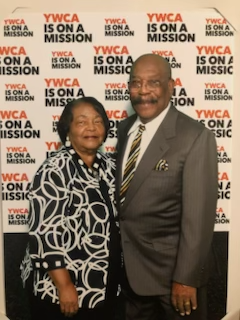
Aunt Chris and Uncle Bill.
What’s been inspiring you recently?
The song “Higher Ground” by Shameka Dwight and the poem “won’t you celebrate with me” by Lucille Clifton have been feeding my soul. The Netflix show Dynasty has been feeding my love for messy family dramas.
Do you have any hidden talents?
I’m a tear duct assassin. I take great pride in striking a chord of tenderness and nostalgia in my work that makes readers cry.
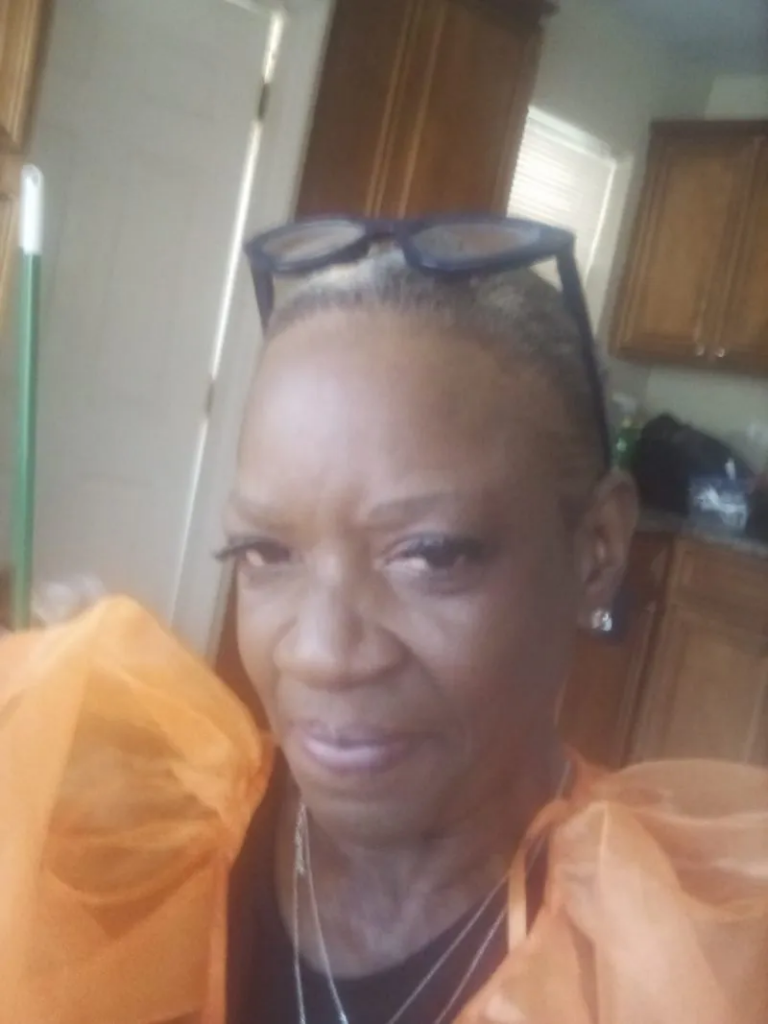
Savage’s mother, Cheryl.
What are you reading right now?
The Flower Bearers by Rachel Eliza Griffiths.
What are you writing right now?
A nonfiction book about Black women and girls exercising agency.
Do you have any unpopular opinions or advice about writing/reading/literature?
What works for your favorite writer may not work for you. You have to find your own rhythm and method for writing and revision.
Is there anything else that you’d like to share, about your writing, this specific piece, incarceration, or something else entirely?
For a long time, I was ashamed of my mother’s incarceration. But it was the very thing I needed to write about to tap into complicated feelings about her and our relationship. Write about the thing you’re ashamed of; the thing you’re afraid to say aloud. That’s where you’ll find your liberation.
JODI M. SAVAGE is the author of The Death of a Jaybird: Essays on Mothers and Daughters and the Things They Leave Behind. Her essays have appeared in The Offing, Oprah Daily, HuffPost, Kweli Journal, Catapult, and other publications. Jodi is a three-time Pushcart Prize nominee, and her essays have also been nominated for Best of the Net and listed as a notable essay in The Best American Essays 2019. She also obtained her MFA in Creative Nonfiction from New York University, where she was a Goldwater Fellow and facilitated poetry workshops for patients at Roosevelt Island’s Coler-Goldwater Hospital.